

Small Commercial Coffee Roasting Line: Equipment, Process & Benefits
Small Commercial Coffee Roasting Line: Equipment, Process & Benefits
Starting a small coffee roasting business requires more than choosing a coffee roaster. A complete production system needs to handle green coffee beans from feeding and roasting to destoning, grinding, packaging, and sealing. A small commercial coffee roasting line provides an efficient way for small factories, coffee brands, and professional roasters to organize these processes into one continuous workflow.
What Is a Small Commercial Coffee Roasting Line?
A small commercial coffee roasting line is a combination of coffee processing equipment designed for small and medium-sized coffee production. Unlike a single coffee roasting machine, a complete line connects several machines to reduce manual handling and improve production efficiency.
The actual configuration depends on the customer’s production capacity, finished product, packaging requirements, and level of automation. For example, a line may include a coffee conveyor, commercial coffee roaster, coffee destoner, grinder, packaging machine, and sealing machine.
For businesses that produce whole coffee beans, the grinder can be removed from the process. If ground coffee is required, a coffee grinder can be added before packaging.
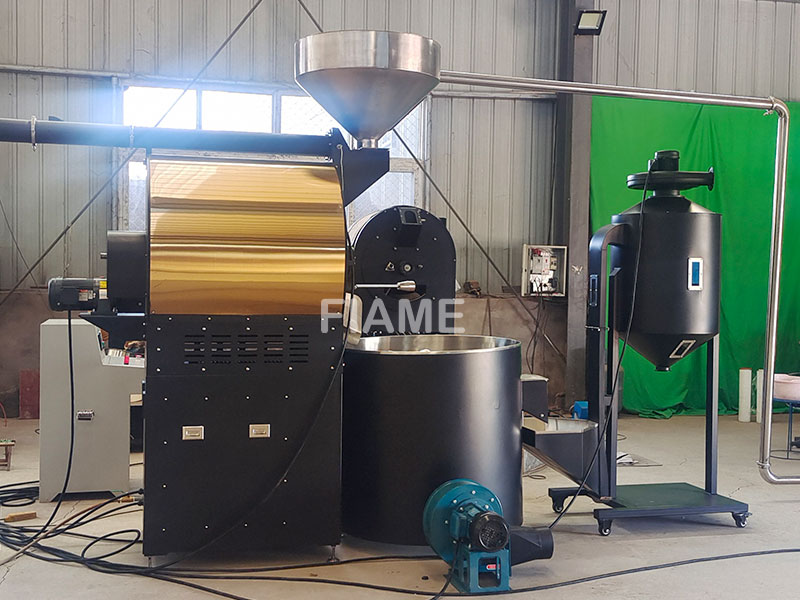
What Equipment Is Included in a Coffee Roasting Line?
Coffee Bean Conveyor
The conveyor transfers green coffee beans to the roasting machine and creates a continuous material flow between different processing stages. It can reduce manual material handling and make the production process more organized.
Commercial Coffee Roaster
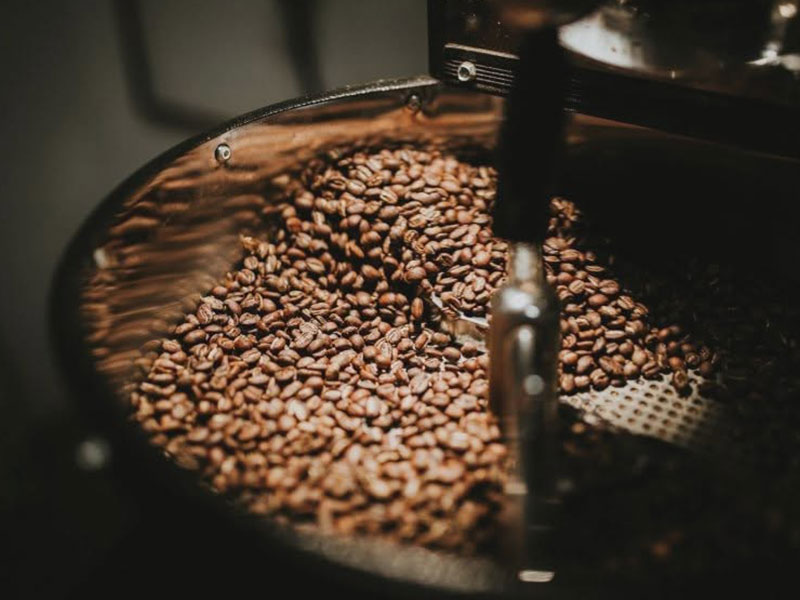
The coffee roaster is the core machine in the production line. It heats and roasts green coffee beans while controlling important parameters such as temperature and roasting time. Different capacities are available for different production requirements.
For example, a 20kg coffee roaster can process up to 20kg of green coffee beans per batch, making it suitable for many small and medium-sized commercial coffee operations.
Coffee Destoner
After roasting, coffee beans can be transferred to a destoner to remove stones and other heavy impurities. The machine uses differences in density to separate unwanted materials from roasted coffee beans.
Coffee Grinder
A coffee grinder is an optional part of the production line. It can grind roasted coffee beans into coffee powder according to the required particle size. Businesses selling both whole beans and ground coffee can configure the line accordingly.
Coffee Packaging and Sealing Machines
The packaging machine automatically measures and fills coffee beans or coffee powder into bags. A sealing machine then closes the packages to help protect the finished product during storage and transportation.
How Does a Small Coffee Roasting Line Work?
A typical whole-bean coffee processing flow is:
Green Coffee Beans → Conveyor → Coffee Roaster → Destoner → Packaging → Sealing → Finished Coffee
For ground coffee, the process can be:
Green Coffee Beans → Roasting → Destoning → Grinding → Packaging → Sealing → Finished Coffee Powder
This connected workflow helps reduce unnecessary manual handling and provides a more consistent production process.
What Capacity Is Suitable for a Small Coffee Factory?
The right coffee roasting capacity depends on the required daily output, batch size, working hours, and future production plans.
Small coffee businesses may choose compact roasting equipment for flexible small-batch production, while growing coffee factories may require larger commercial coffee roasters and automated conveying and packaging systems.
Instead of choosing equipment based only on the machine’s maximum capacity, it is better to calculate the expected daily production and select a roasting capacity that matches the actual business plan.
Benefits of a Small Commercial Coffee Roasting Line
A properly configured coffee roasting line can provide several advantages.
Improved production efficiency: Connected equipment reduces repeated manual material handling.
Consistent processing: Controlled roasting, destoning, grinding, and packaging processes can help maintain consistent product quality.
Flexible configuration: Equipment can be selected according to the customer’s production requirements and finished coffee products.
Room for expansion: A small production line can be upgraded with additional conveying, grinding, packaging, or automation equipment as production increases.
How to Choose the Right Coffee Roasting Equipment?
Before purchasing a commercial coffee roasting line, consider several factors, including required production capacity, roasting method, heating system, temperature control, finished product type, packaging requirements, available factory space, and future expansion plans.
It is also important to consider the complete workflow rather than evaluating the coffee roaster alone. A well-designed system should match the capacity of the roasting, destoning, grinding, conveying, and packaging equipment.
Build Your Customized Coffee Roasting Line
Every coffee business has different production requirements. A customized small commercial coffee roasting line can be configured according to batch capacity, finished product, packaging specifications, and automation needs.
Whether you need a compact coffee roasting system for a small roasting business or a complete coffee processing and packaging line for a growing factory, selecting the right equipment configuration can help create a more efficient production workflow.
Contact us to discuss your coffee production requirements and receive a customized coffee roasting line solution.
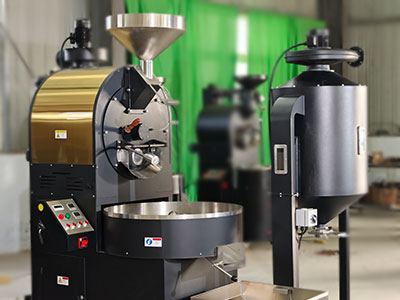 15kg/20kg Coffee Roaster
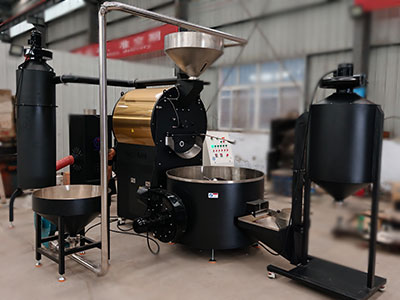 30kg/60kg Coffee Roaster
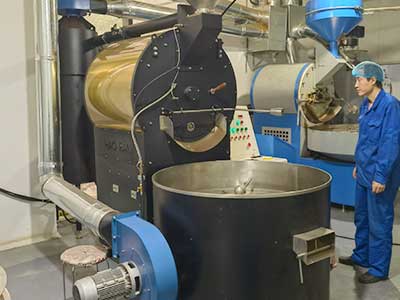 200kg Coffee Roasting Line
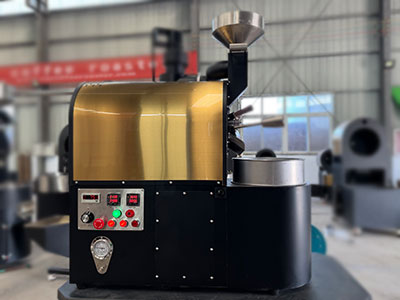 1kg/3kg Coffee Roaster